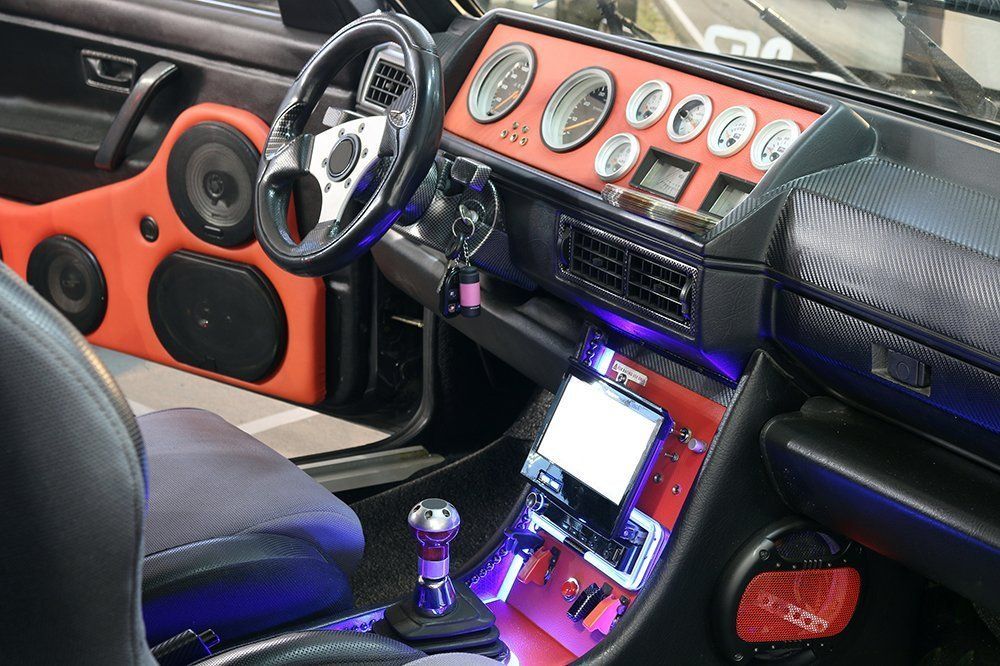
Many drivers prefer a nuanced experience with the audio in their car. An aftermarket car audio system can enhance that experience. Use these tips.
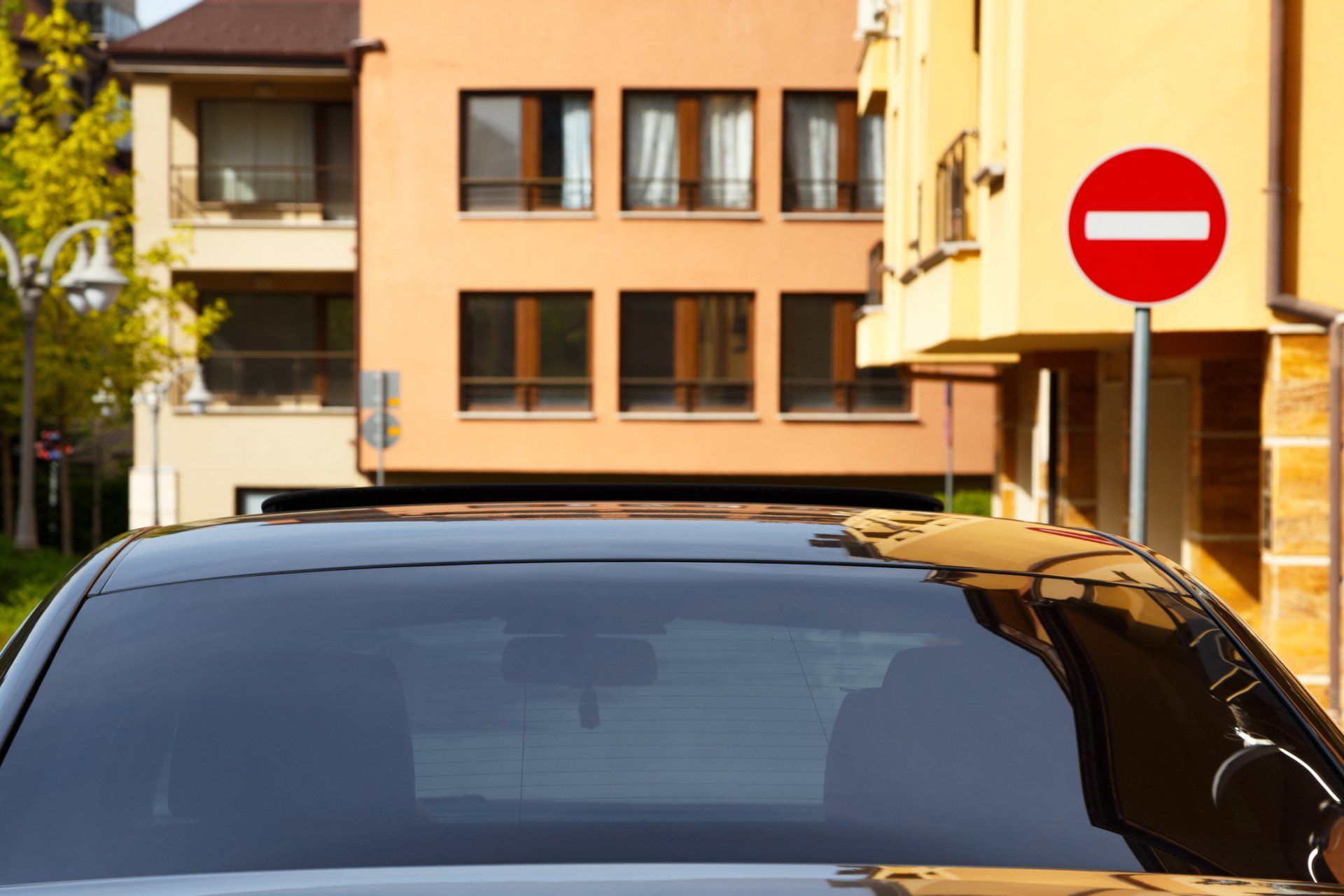
If you live in hot, sunny Texas, you probably put on a quick coat of sunscreen before you head outside to do yard work or visit the pool on a hot summer day. But what about when you get in the car? Do you put on sunscreen then? For most of us, the answer is an obvious no-but if you're trying to limit your sun exposure, being in the car isn't all that better than standing outside under the full sunlight. While windshields are manufactured to reduce UV light, sunroofs and side windows aren't, and all that sun exposure takes a toll. In fact, according to the Skin Cancer Foundation, skin cancer in the US is more common on the left side (or driver's side) of the body, and the Foundation doesn't think that's a coincidence. Want to protect your skin from harmful rays while you're driving? Read on for some useful tips that can help you and your family stay safe on your next major road trip. 1. Wear Sunscreen It might seem odd to cover your face and arms with sunscreen before you embark on a road trip, but sunscreen remains the best way to protect your skin from the sun-including while you're in the car. If you don't fancy driving several hours while covered in the greasy, sticky sunscreen you use at the pool, you're not alone, which is why lots of companies now include sunscreen in cosmetic or skincare products like foundation. The most important part of choosing a sunscreen brand is its SPF, or sun protection factor. Don't get sunscreen with an SPF under 15, and make sure to keep some in the car so you can reapply throughout the day. 2. Get High-Quality Sunglasses Your skin isn't the only part of your body susceptible to sun damage. Your eyes can actually get sunburned too, and too much sun exposure increases your chance of permanent vision damage. Before you set off on a long drive, find a high-quality pair of sunglasses that protects you from both types of harmful ultraviolet light, or UVA and UVB rays. Make sure everyone in your car wears protective sunglasses, not just the driver; kids looking out the window can be sunburned, too. 3. Consider Window Tinting Automobile window tinting is often considered an upgrade that boosts your car's resale value and protects the interior from sun damage. But window tinting is about more than just looks; depending on the tint you choose, it can also reduce UV rays, keeping the car cooler and your skin safer while you drive. Of course, not all window tints are created equal. They come in different shades and have different SPFs. If you decide to tint your windows, make sure to find a shade that filters out both UVA and UVB light. Luckily, most glass does reduce UVB, and your windshield was probably also treated to reduce UVA lights. But the other windows don't have any UVA filtering, so if you frequently travel with passengers in the backseat, look into window tinting for UVA-specific window tints. Don't forget that window tinting doesn't work when the windows are down, which goes double for the sunroof. It might feel nice to have the wind whipping through your hair, but don't let your new window tint job go to waste by driving with the top down all summer long. Make Your Next Road Trip a Success Going on a road trip should be a fun getaway, not a threat to your skin and safety. Apply these three tips before your next vacation to keep everyone cool, happy, and healthy while you drive. Live near Houston? Looking for some extra sun protection for your car? X-Pert Tint and Auto Alarms can install the perfect window tint for your car. Get in touch to explore your tinting options.
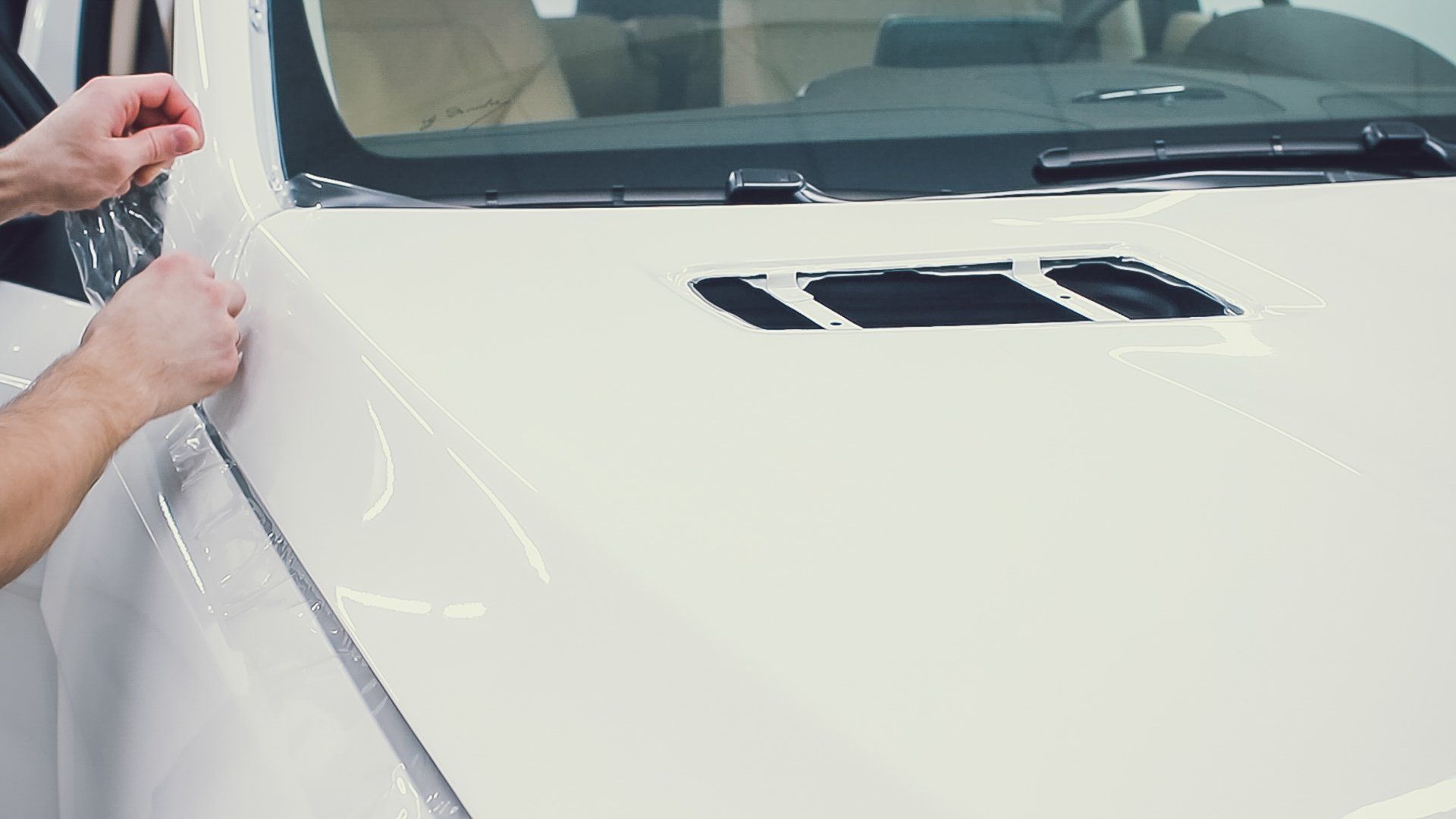
The paint job on your car or truck is a valuable investment. It not only makes the vehicle look good, but it protects from things like rust and chips. So how can you protect your paint so that it protects your car? For many vehicle owners, the answer is a protective coating. This coating is available in both film and ceramic coating. What is the difference? And which is right for you? Here are some answers to get you started. What Is Paint Protection Film? Paint protection film (PPF) is a thin, clear film placed over the vehicle's surface. Originally designed for the military, it serves as a physical barrier between your car's paint and the elements it drives in. It's often referred to as a clear bra, although you can have as much or as little of your car as you wish covered by the film. Paint protection film has a certain amount of self-healing qualities that can even reduce the appearance of scratches and return the film to its original shape after small dents are fixed. Along with protection from chemical stains (things like bird droppings, for instance), this healing tendency can help keep the car freer of damage. What Is Ceramic Coating? Ceramic coating is an invisible liquid polymer that is spread on the vehicle's surface to give protection from damage and make cleaning easier. Ceramic coating is a newer product than PPF and is often less expensive. However, it often falls short of expectations when car owners expect total scratch protection - as is often touted by manufacturers. Think of it more as scratch resistance, which may be enough for lighter-used vehicles. Ceramic coating is excellent for those who want to have an easier time cleaning the vehicle and keeping it clean. The coating is hydrophobic, meaning that it repels water and dirt. And due to the quality prep process as well as the coating itself, your car will usually appear glossier and newer. Which Is Right for You? Although the processes for application are different, vehicle owners generally approach them in the same way. The car should be thoroughly cleaned and often polished. Any imperfections would be permanently embedded in both the coating and the film, so you want everything as shiny, clean, and streak-free as possible. Ceramic coating and PPF both have their attractions, and the right choice depends on your goals and how you use the vehicle. A daily driver that spends a lot of time on the freeway, for instance, faces a lot of rock chips and chemical staining. In this case, paint protection film is usually the best choice for its protection from physical injury. On the other hand, if you love a clean and shiny car but don't have a way to garage it regularly, a ceramic coating can do wonders for its appearance and security from those overhead birds in the trees. If you need a car that looks great, such as for entertaining clients, a coating might be the way to go as well. Largely, PPF offers longer-term protection from a larger variety of road challenges, while ceramic coating gives an improved appearance on a daily basis. Some owners prefer to use both to achieve higher protection, counting on each form to do its primary function complemented by the other. What Should You Do Next? For help determining the right measures for your particular vehicle, consult with a car protection specialist in you r area. At X-Pert Tint and Auto Alarms , we offer a variety of services to give your vehicle a fighting chance against dirt, debris, rocks, and accidents. Call today to make an appointment to learn more.