Many drivers prefer a nuanced experience with the audio in their car. An aftermarket car audio system can enhance that experience. Use these tips.
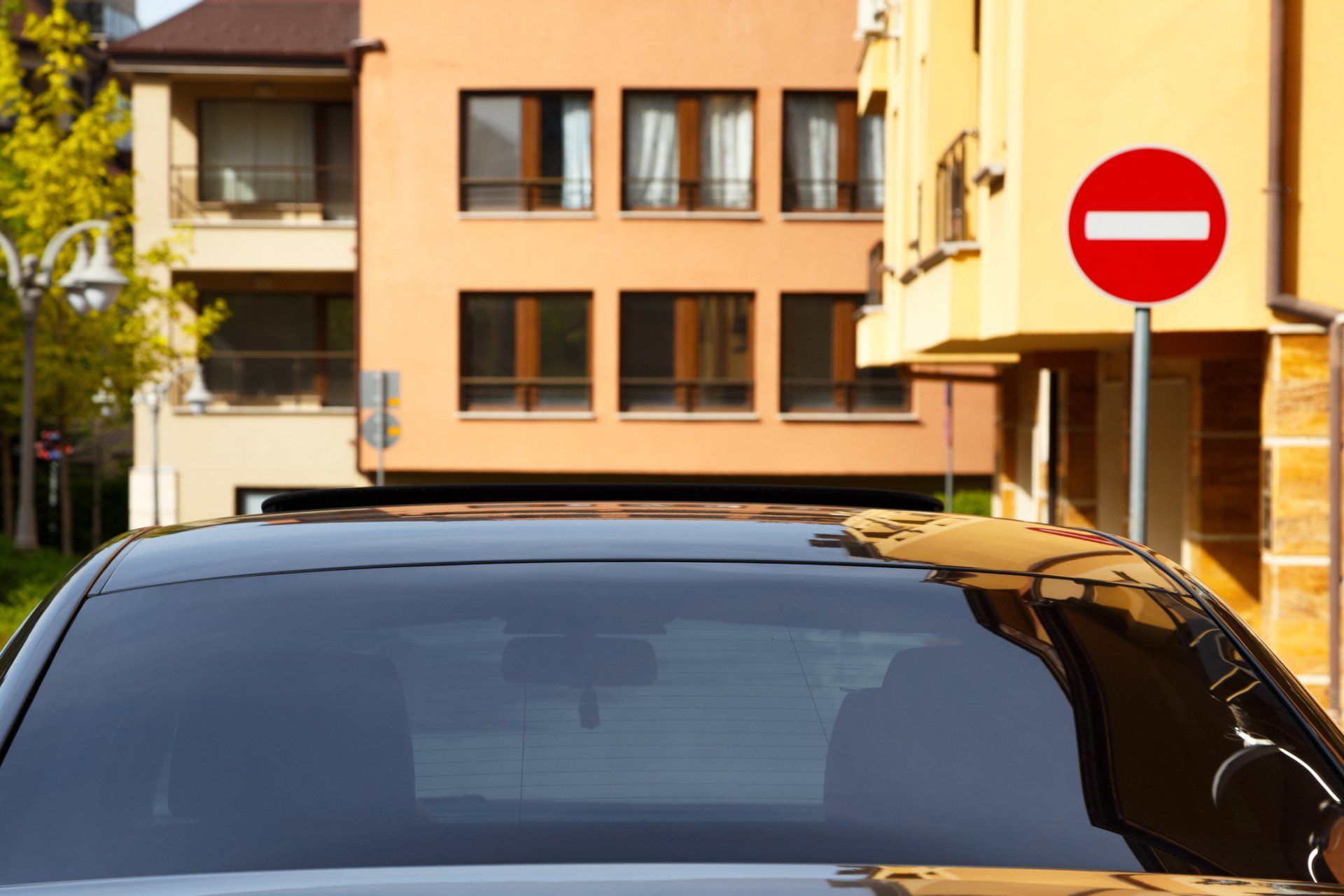
If you live in hot, sunny Texas, you probably put on a quick coat of sunscreen before you head outside to do yard work or visit the pool on a hot summer day. But what about when you get in the car? Do you put on sunscreen then? For most of us, the answer is an obvious no-but if you're trying to limit your sun exposure, being in the car isn't all that better than standing outside under the full sunlight. While windshields are manufactured to reduce UV light, sunroofs and side windows aren't, and all that sun exposure takes a toll. In fact, according to the Skin Cancer Foundation, skin cancer in the US is more common on the left side (or driver's side) of the body, and the Foundation doesn't think that's a coincidence. Want to protect your skin from harmful rays while you're driving? Read on for some useful tips that can help you and your family stay safe on your next major road trip. 1. Wear Sunscreen It might seem odd to cover your face and arms with sunscreen before you embark on a road trip, but sunscreen remains the best way to protect your skin from the sun-including while you're in the car. If you don't fancy driving several hours while covered in the greasy, sticky sunscreen you use at the pool, you're not alone, which is why lots of companies now include sunscreen in cosmetic or skincare products like foundation. The most important part of choosing a sunscreen brand is its SPF, or sun protection factor. Don't get sunscreen with an SPF under 15, and make sure to keep some in the car so you can reapply throughout the day. 2. Get High-Quality Sunglasses Your skin isn't the only part of your body susceptible to sun damage. Your eyes can actually get sunburned too, and too much sun exposure increases your chance of permanent vision damage. Before you set off on a long drive, find a high-quality pair of sunglasses that protects you from both types of harmful ultraviolet light, or UVA and UVB rays. Make sure everyone in your car wears protective sunglasses, not just the driver; kids looking out the window can be sunburned, too. 3. Consider Window Tinting Automobile window tinting is often considered an upgrade that boosts your car's resale value and protects the interior from sun damage. But window tinting is about more than just looks; depending on the tint you choose, it can also reduce UV rays, keeping the car cooler and your skin safer while you drive. Of course, not all window tints are created equal. They come in different shades and have different SPFs. If you decide to tint your windows, make sure to find a shade that filters out both UVA and UVB light. Luckily, most glass does reduce UVB, and your windshield was probably also treated to reduce UVA lights. But the other windows don't have any UVA filtering, so if you frequently travel with passengers in the backseat, look into window tinting for UVA-specific window tints. Don't forget that window tinting doesn't work when the windows are down, which goes double for the sunroof. It might feel nice to have the wind whipping through your hair, but don't let your new window tint job go to waste by driving with the top down all summer long. Make Your Next Road Trip a Success Going on a road trip should be a fun getaway, not a threat to your skin and safety. Apply these three tips before your next vacation to keep everyone cool, happy, and healthy while you drive. Live near Houston? Looking for some extra sun protection for your car? X-Pert Tint and Auto Alarms can install the perfect window tint for your car. Get in touch to explore your tinting options.
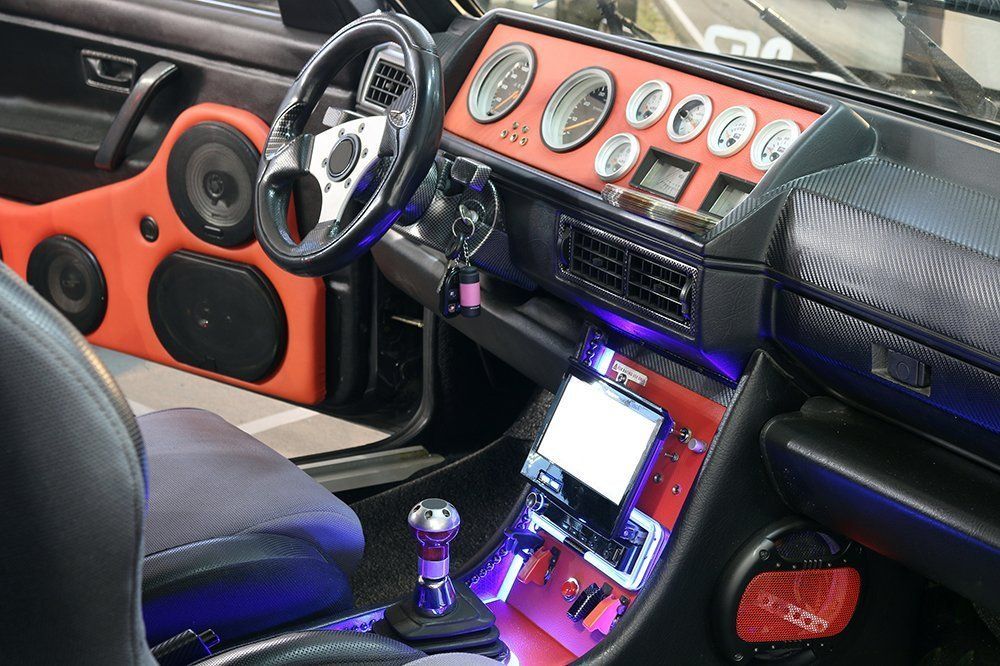
If you're purchasing a custom car stereo, you undoubtedly have lots of questions to ask about the stereo itself. You shouldn't be focused solely on the stereo, however. A number of questions listed below are related to peripheral matters that you should also consider before having a custom car stereo installed. Does Your Car Have a Security System? A custom stereo increases the value of your car, and that inherently makes it more attractive to thieves. Some thieves may even target your car's custom stereo itself, hoping to break in and steal stereo components that they can sell on the black market. To mitigate the increased chance of theft, your car should be protected by a fully-functioning security system. If you don't already have one installed, ask the stereo installers to add an auto security system in addition to the stereo. A good system will have an alarm and GPS tracking, and many systems offer these features at affordable prices. Do Your Car's Windows Need Tint? Plenty of reasons show why tinting windows is smart when you get a new stereo. Three of them are shown below, and any one of them may justify tinting, and many drivers decide to get at least a mild tinting once they consider all three factors. First, having your car windows tinted simply makes it look more stylish. When you have a custom stereo installed, it provides uncompromising audio, but sound is only one feature (even if it a major feature). Window tinting and a custom stereo together will give your car a sense of style and attitude that no single feature can convey by itself. Second, tinted windows will make it more difficult for potential thieves to see the stereo in your car. If they can't easily spot the stereo while walking by, they'll be less likely to break into the vehicle. The tint forces them to get up close to the window, which is too suspicious, and most thieves won't take a risk if they don't know there's something worth taking. Third, this is a convenient time to have your car's windows tinted. Custom stereo installers frequently also tint windows, so you can have both features installed at the same time. You don't have to bring your car back for an entirely separate service. Does Your Auto Insurance Cover the New Custom Car Stereo? If your auto insurance policy doesn't fully cover the new custom car stereo, you'll need to adjust protections so that the policy does. To find out whether the stereo is covered, read over the protections for aftermarket parts that your policy offers. Most policies offer at least some protections, but the level of coverage can be limited. If the limit for these protections is more than the price of your stereo, the policy provides sufficient coverage and you're all set. If the applicable limit is lower than the value of your custom stereo, you'll need to make adjustments. You can see the four ways to secure additional protection: Adjust the limit of your policy's existing coverage Add an optional coverage onto your policy Purchase an endorsement that supplements your policy Get an entirely new auto insurance policy An insurance agent can help you explore each of these options and determine which one is most affordable. Do You Know Where Your Music Is? Drivers who invest in custom car stereos tend to be audiophiles, and they usually have a lot of music. While they certainly have their go-to songs and playlists, they also frequently have a number of excellent CDs or playlists that they've forgotten about. Getting a new custom car stereo is a great excuse to dig out all your old music. You'll rediscover old favorites, and some previously overlooked selections may have a new meaning to you now. Go through all your CDs and downloads to make sure everything's available for playing on your car's new system.